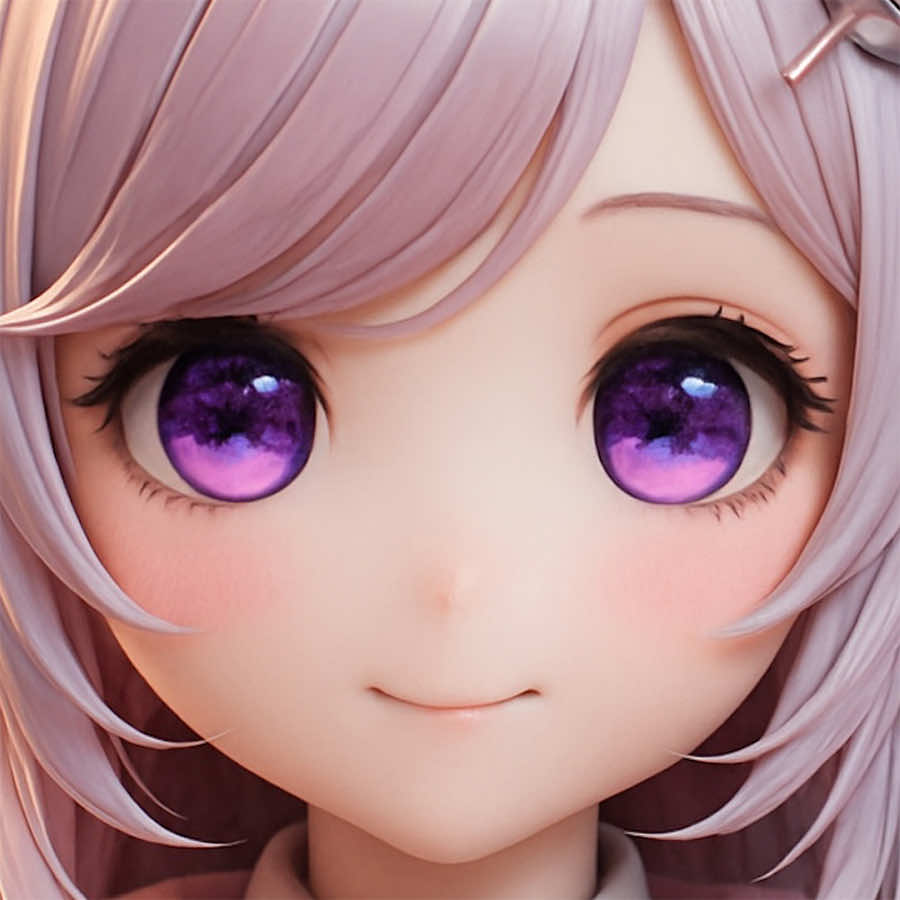
The importance of healing through harmony and why a good melody still matters

Written by Jeokyu Seokjin (저규 석진), Image by Hwangdeok Taewoo (황덕 태우)
In an era dominated by hooks, algorithms, and viral clips, melody may seem like an afterthought. Yet in K-pop, it remains one of the most powerful tools for reaching listeners.
Music carries emotional weight across borders, bypassing the need for translation and anchoring songs in the shared human experience of sound.
THE SCIENCE OF HARMONY
Research into how the brain processes music has shown that harmony is not just decoration. When notes blend in consonant patterns, listeners often report feelings of calm or release. Dissonance, on the other hand, can evoke tension, anticipation, or unease.
The play between these two poles creates an emotional landscape that listeners can inhabit, even without understanding a single lyric. K-pop leans into this dynamic more than most global genres.
Melodies are rarely left to linger on the surface. Instead, they are layered, stretched, and multiplied to create sonic environments that feel almost physical. When a chorus expands into a three-part harmony or a bridge resolves on a soaring vocal line, the effect is visceral. The listener feels held.
LUME’S SUSPENDED STILLNESS
LUME demonstrates how melody can heal by leaning into stillness rather than spectacle. Her songs rarely chase a climax. Instead, melodies stretch into long, suspended tones that hang in the air like fragments of thought. Harmonies weave around silence as much as sound, creating the sense that pauses are part of the composition itself.
This restraint allows her music to function as an emotional space. By leaving notes unresolved, LUME invites listeners to inhabit the moment rather than anticipate its end. The melodies do not demand resolution. They offer recognition. For those carrying unspoken weight, that permission to simply linger can feel like its own form of healing.
E.B.N. AND THE ARCHITECTURE OF TOGETHERNESS
Where LUME uses restraint, E.B.N. thrives on fullness. Their three voices interlock like scaffolding, building tracks that carry listeners forward with balance and strength. Songs often begin with a single voice, soon joined by another, and then all three — each harmony adding not just volume but meaning.
The structure is important. In E.B.N.’s music, every note has a place to land. Minor tensions are resolved. Climaxes feel inevitable. This predictability is not formulaic; it is comforting. For listeners navigating uncertainty in their own lives, the cohesion of harmony can feel like a kind of emotional stability.
E.B.N. demonstrates how melody can heal not by softening reality, but by imposing order on chaos — proving that even the most dissonant verse can resolve into unity when voices join together.
HARMONY AS COLLECTIVE EMOTION
Harmony is more than a technical feature. It is also symbolic. In K-pop, especially in group performances, harmonized lines suggest something larger than the individual, like unity, support, and a shared voice. Listeners recognize this intuitively. A single melody might represent solitude, but when it multiplies into harmony, it signals connection.
This is one reason fans often describe certain choruses as “healing.” It is not just the lyrics or the instrumentation. It is the sensation of being lifted by more than one voice at once. In a culture where isolation and division are common themes, hearing multiple tones blend seamlessly can be an emotional balm.
THE TIMELESSNESS OF MELODY
Trends in production come and go. Trap beats, EDM drops, and lo-fi textures have all cycled through K-pop in recent years. But melody persists. A well-written line, sung with sincerity, has the ability to transcend time. That’s why listeners still return to older ballads, even as the industry races toward new sounds.
NuWaaV RADIO’s programming reflects this belief in melody as a foundation. High-energy tracks still carry memorable vocal lines. Ambient pieces rely on melodic fragments to create mood. Even experimental compositions tend to circle back to some form of harmonic resolution. But the message is clear. No matter how far style evolves, melody is still the bridge between artist and listener.
HEALING IN REPETITION
Part of the melody’s strength lies in its repeatability. A catchy hook may spark attention, but a strong melody invites return. It holds up over time, embedding itself in memory and resurfacing in moments when listeners need it most.
For many, these melodies become a kind of emotional shorthand. A familiar harmony can trigger comfort after loss, motivation before a challenge, or reflection during solitude. In this way, melody doesn’t just entertain. It becomes part of daily survival.
WHY IT STILL MATTERS
As K-pop continues to expand globally, the temptation to prioritize spectacle over song will always exist. Yet the genre’s most enduring works prove that melody is not optional. It is the heartbeat. It allows listeners to feel seen and soothed without translation, and it anchors the genre in universality even as its styles shift.
At NuWaaV RADIO, this principle guides the playlist. From the delicate textures of LUME to the structural harmonies of E.B.N., the station’s artists remind us that healing often begins with a note, a chord, a voice blending with another.
Because in the end, melody is more than sound. It’s a shelter.