When an independent label's diverse collection of artists push the genre boundaries in music

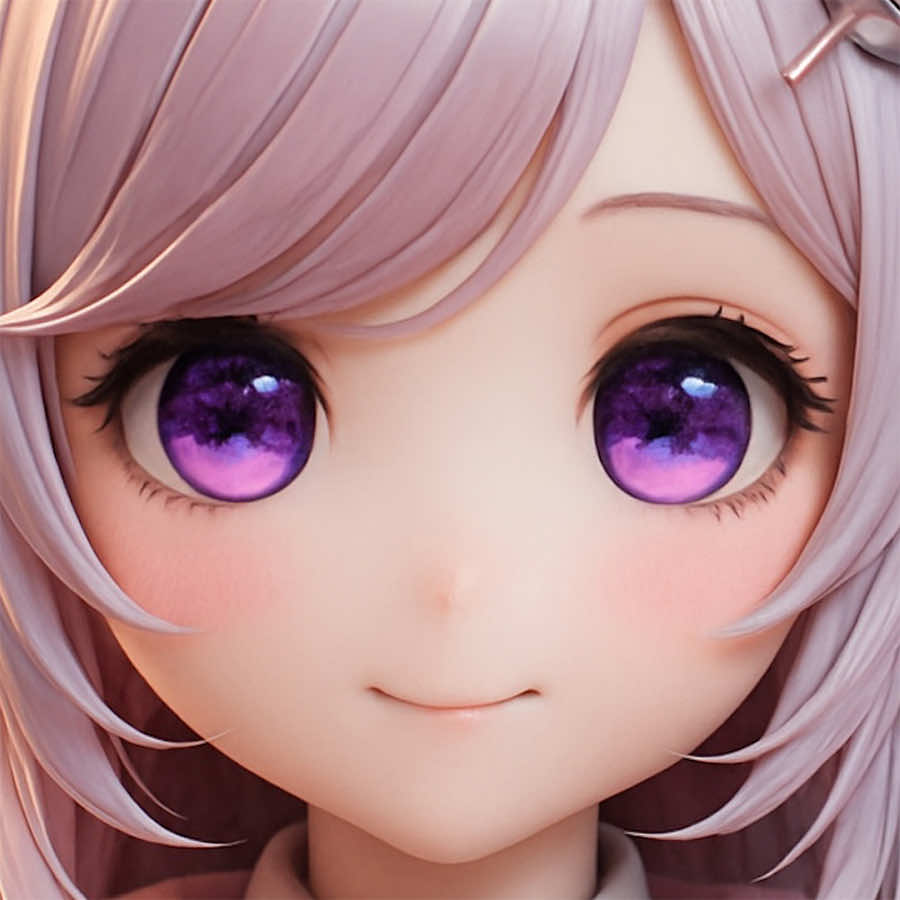
Written by Jeokyu Seokjin (저규 석진), Image by Hwangdeok Taewoo (황덕 태우)
In a music industry that often rewards predictability, genre is treated like a roadmap: pick a direction, stay in your lane.
But at NuWaaV RADIO, genre is less a category than a suggestion. It is something to test, bend, or completely ignore.
The songs by featured artists played by the station aren’t just working within styles. They’re reshaping them, fusing, fracturing, and reframing genre language to create something unfamiliar. These five artists don’t follow industry blueprints. They break them.
1. M1VRO — WHERE SWING MEETS SYNC
K-pop and big band jazz aren’t genres that naturally combine — unless M1VRO is mixing the ingredients. With brass-forward arrangements, syncopated drops, and theatrical choreography, this five-member boy band turns the bombast of swing-era rhythm into something surgical and modern.
What makes it work is precision. M1VRO doesn’t throw retro aesthetics on top of pop. They integrate the logic of jazz — the tension, release, and showmanship — into the structure of K-pop performance. The result is polished chaos, grounded in discipline.
2. Z3N-Ø — THE FUTURE IN THREE PARTS
There’s electronic pop, and then there’s what Z3N-Ø does. It is a sleek, synthetic fusion that pushes the edge of dance, trance, and narrative composition.
Rather than chasing drops, Z3N-Ø builds with restraint, sometimes holding back until the final chorus, sometimes deconstructing the beat entirely. Vocals slide into vocoder haze, choruses reverse-engineer their own buildup, and silence is used as punctuation.
It’s not club music. It’s a controlled mechanical architecture, designed to feel like a digital flow of emotional circuitry.
3. WE ARE KETOSHI — ANCIENT INSTRUMENTS, MODERN PULSE
Blending traditional Japanese instrumentation with contemporary K-pop structures, this sibling duo isn’t trying to create novelty. They’re staging a cultural dialogue.
Songs often start with koto or shamisen motifs before expanding into layered harmonies, synthetic rhythm, or ambient textures. The contrast is deliberate. The music expands like a folding screen, ancient symbols on one panel, neon on the next.
We Are Ketoshi doesn’t use heritage as an ornament. They use it as a foundation, then build something entirely new on top.
4. GUMDROP SUNDAE — DISSONANCE AS DESIGN
If most K-pop groups strive for polish, Gumdrop Sundae tears it apart. Their sound is intentionally jarring, with bubblegum sweetness mashed against glitch, lo-fi rumble, and asymmetrical structure. Hooks drop late. Bridges stall out. Choruses feel like parody until they hit, and then you’re trapped.
But it’s not chaos for chaos’ sake. Their music reflects the concept: girls who don’t behave, moods that shift mid-thought, aesthetic systems that can’t be trusted. Gumdrop Sundae isn’t messy.
They’re engineered to sound like the genre breaking down from the inside.
5. LUME — SILENCE BETWEEN FREQUENCIES
Some artists explore genre by subtraction. LUME strips ambient pop and cinematic balladry down to the core, with long pauses, unresolved melodies, and ghosted harmonies. What’s left is a sound that feels suspended in time.
Her tracks rarely build to a climax. Instead, they arrive like an emotional weather pattern — shifting light, layered textures, and a voice that hovers more than it lands. It’s what stays behind when the music stops. It’s a haunted space.
WHY BOUNDARY WORK MATTERS
Redefining genre isn’t about shock value. It’s about being purposeful and finding new structures that reflect the stories being told. These five artists from NuWaaV entertainment aren’t looking to fit into categories. They’re making emotional logic the genre itself.
And in doing so, they invite listeners into soundscapes that don’t just surprise, they change the way you hear.