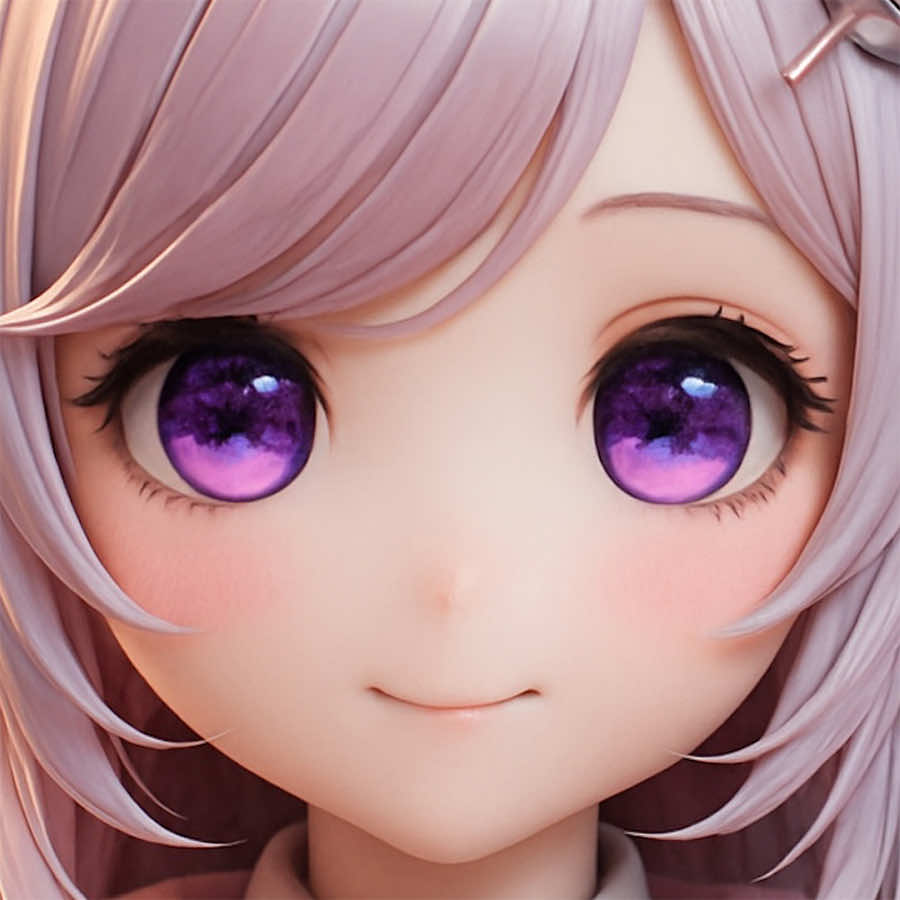
Understanding the kings and queens of "concept" and why K-pop loves a good storyline

Written by Jeokyu Seokjin (저규 석진), Image by Hwangdeok Taewoo (황덕 태우)
In most popular music industries, reinvention is occasional. A new look. A different sound. In K-pop, reinvention is built in. Not just accepted, but expected.
This isn’t an accident of style. It’s a structural feature. The concept leads the way to set trends and change social patterns.
WHAT IS A “CONCEPT” IN K-POP?
A concept is more than a theme. It’s a total framework: sound, visual, emotional tone, fashion, choreography, and set design. It informs everything, and it changes with each release.
One comeback might deliver cyberpunk neon and dissonant synths. The next may bring forest symbolism and acoustic layers. The artist remains constant, but the concept reshapes the environment they inhabit.
In K-pop, concept isn’t window dressing. It’s the narrative container.
WHY CONCEPT MATTERS
Western pop often depends on the personal narrative. The artist’s real life becomes the content. But K-pop has always operated differently. The concept separates the performance from the person — allowing for creative transformation without violating identity.
This frees artists to play roles, explore emotional extremes, and build worlds far beyond autobiography. It also gives fans something richer to engage with. Not just who the artist is, but what kind of story they’re telling this time.
The result is music as episodic fiction with arcs, callbacks, reversals, and evolution.
CONCEPT DEFINES GROUP IDENTITY
Concept isn’t just used for variety. It’s often the core identity of a group.
Take OpalROSE, the K-metal girl band where every track, performance, and subunit forms part of a high-concept gothic narrative. Their world isn’t just visual. It’s internal. Rage, resistance, and grief are given structure through melody and distortion.
Or consider Gumdrop Sundae, whose very existence deconstructs K-pop girl group norms. Their songs clash sweetness with glitch, their styling looks like a child’s sticker book collided with something broken. Their concept isn’t polished. It’s the point of rupture.
In both cases, concept is the group.
CONCEPT CREATES EMOTIONAL FLUENCY
Because K-pop often avoids literal storytelling in lyrics, the concept carries emotional cues that guide interpretation. A melancholy ballad paired with grayscale visuals and choreography that isolates members physically tells you something deeper is going on.
Listeners may not speak the language, but they recognize the signals. Joy. Control. Collapse. Transcendence. The concept becomes the language of emotion, and fans learn to read it intuitively.
THE VALUE OF CHANGE
The beauty of concept-led artistry is that it gives artists room to move. They’re not bound to a single tone, a single image, or a frozen persona. One year, they may lead with softness. The next, with confrontation. Both are valid because the concept allows transformation without contradiction.
It also makes comebacks unpredictable. Fans don’t just anticipate a new song. They wonder what kind of world they’ll be invited into next.
K-pop’s love for concept isn’t gimmickry. It’s architecture. It creates room for complexity, for theater, for storytelling that goes deeper than a two-minute hook.
And for the artists featured on NuWaaV RADIO — where identity is shaped through story, not spectacle — the concept isn’t something to wear. It’s something to live in.