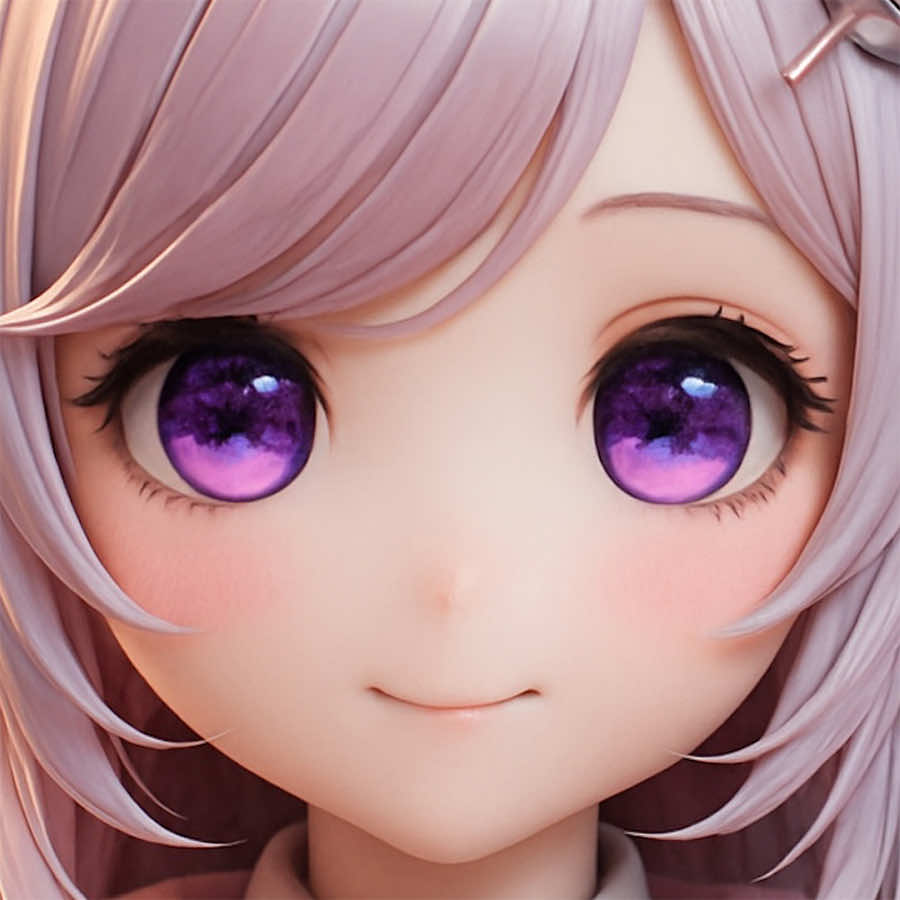
The Seoul Sound: Following the evolution of K-pop influence in Korea and the world

Written by Jeokyu Seokjin (저규 석진), Image by Hwangdeok Taewoo (황덕 태우)
You don’t have to speak Korean to wear a K-pop look, follow a K-pop routine, or feel a K-pop mood. What began as a niche genre has grown into something bigger than music. An aesthetic, an attitude, a cultural signature recognized around the world.
The rise of K-pop didn’t just expand the definition of pop. It expanded the borders of Korean influence.
BEYOND CHARTS AND SALES
Streaming numbers tell one story. But the real impact of K-pop shows up in subtler ways. A choreography trend on social media, a makeup look that goes viral in Brazil, a streetwear silhouette in Paris that mirrors a concept photo from Seoul.
This isn’t fan culture alone. It’s cultural transmission — the way an idea or expression from one place gets absorbed, reinterpreted, and rebroadcast globally.
FASHION AS A VEHICLE
K-pop styling often pushes beyond trend into editorial territory. Outfits in music videos aren’t just decorative — they’re experimental. Designers notice. So do stylists from other industries.
From couture shows to TikTok duets, K-pop visuals have reshaped how fashion cycles move. It’s not just that artists wear what’s next — it’s that they redefine what’s now.
K-pop has become part of the global fashion pipeline.
PERFORMANCE AS A BLUEPRINT
Dance is central to K-pop’s influence. Not just because it’s sharp or synchronized — but because it’s repeatable. The genre’s choreography is built to be learned, copied, and reshared. It invites participation.
This makes it viral by design. It also makes it culturally magnetic. Non-Korean fans around the world now study K-pop choreography with the same seriousness once reserved for ballet or theater. It is a sign of how deeply the performance standard has traveled.
VISUAL AESTHETICS THAT CROSS LANGUAGES
Set design. Color grading. Editing rhythms. The K-pop music video is not just a visual add-on. It’s a visual grammar that has begun to influence pop music globally. Artists outside of Korea now borrow framing techniques, transition styles, and narrative devices first honed in K-pop production studios.
In this sense, K-pop didn’t follow global pop. It reshaped it, visually and structurally.
INFLUENCE WITHOUT APPROPRIATION
The global reach of K-pop is often compared to the influence of American pop culture in past decades. But there’s a crucial difference. K-pop does not erase its origin. It stays Korean, in language, style, and symbolism, even as it adapts for the world.
Listeners might not understand every lyric, but they engage with the music on Korean terms. That reversal of the cultural export model — where the world comes toward the art, not the other way around — is part of what makes K-pop’s influence so profound.
It’s not assimilation. It’s an invitation.
A GLOBAL IDENTITY WITH LOCAL ROOTS
NuWaaV RADIO is built from the same creative structure, concept-led artistry, emotion-driven performance, melodic storytelling, and respect for the genre’s Korean foundation.
The influence of K-pop isn’t a trend. It’s a new language — visual, musical, and emotional — spoken all over the world. And every time a listener clicks “play,” they become part of the conversation.